Photo by Abbat
Written by Shahida Arabi, MA
When targets of manipulation have been violated by a toxic person or narcissist, they are often pressured to “let things go,” to prematurely forgive or reconcile with a toxic person before they are ready, or to rise above and be the “bigger person” on their healing journey by remaining silent about the crimes they have endured.
The concept of being the “bigger person” is rooted in privilege and the abuse of power. It is usually a control tactic as it is never issued to the perpetrators, only the victims of mistreatment, bullying, and abuse. You are likely already a very mature, introspective, empathic, conscientious, and compassionate person who thinks carefully about how your actions affect others.
Being the “bigger person” as defined by abusers and their enablers is code for: turn the other cheek, don’t speak out, and take this mistreatment passively. It is an emotionally bypassing platitude that primarily operates to benefit the bully, not the victim and places the burden on the victim to constantly “rise above” the harmful actions of others without addressing the harm or pursuing justice. You already were the bigger person when they first targeted you and you will continue to be even if you respond or react in valid ways to chronic mistreatment.
That’s not to say that choosing the safest and most effective route for getting your needs met is never beneficial, but that is different from what abusers mean when they say “be the bigger person.” It is helpful to withdraw your energy and efforts from a manipulator and refocus on yourself on the healing journey. It is efficient to surround yourself with safe support networks rather than overexplaining yourself or arguing with an abuser looking to deliberately misinterpret you.
Yet it is also helpful to issue healthy consequences whenever possible, enforce strong boundaries, and make predators fearful of violating others again. That helps not only you, but also the world at large, protecting the innocent.
What isn’t helpful is emotional suppression (which, according to studies, tends to feed into the avoidance that strengthens PTSD symptoms), or spiritual bypassing, or the expectation that all victims have the same route to safety (“Just walk away!”) or that they are emotionally immature if they honor their emotions or decide to pursue justice or exposure of the perpetrators.
Remember to always do what is safest and most effective for you and consider all potential consequences of any route you take. That being said, you are allowed to stand up for yourself, advocate for your communities, expose predators, mock the hypocrisy of those who harm others, and pursue legal and social avenues of justice.
In the spiritual community, anger is seen as ego-driven, indulgent, and excessive. In abusers, anger can in fact be weaponized destructively. But what about the valid anger of the victims targeted by abusers and serial predators?
Justice is also “high vibration.” Righteous anger in response to injustice is also “high vibration.” Channeling both your light and dark into the greater good is high vibration. Your anger in response to mistreatment is holy. It signals to you that you have been violated. It reminds you that you are deserving and a divine being worthy of respect. It can even be an accelerant and fuel for your manifestations and deepest desires. Sanitizing and sugarcoating your authentic emotions only takes away from the sacredness of your full, multifaceted humanity. The most “spiritual” thing you can do in this world is to stand up for yourself against those who harm the innocent.
The recent news cycle shows us an eye-opening phenomenon: people who expose serial predators and bigots, whether through a revealing photo shoot, a cutthroat documentary, or a powerful song - tend to thrive. They are not “bitter” for speaking out. They are not emotionally immature for calling out chronic abusers who harm and have harmed many. They are in fact the most emotionally mature for knowing the difference between right and wrong and enforcing strong boundaries on what is unacceptable. They are brave for taking a stand.
In fact, in a world that enables abuse, such truth-tellers are being celebrated for exposing those who needed to be exposed, for using their resources, skills, and talents for the greater good, and providing artistic commentary on the state of the world. They give others hope and validation that abusive behavior won’t be tolerated, that victims can and should reclaim their power, and that justice can present itself in many different ways.
Does that mean that you personally have to do the same? Not if you don’t want to or don’t feel safe doing so. But all survivors deserve a diversity of ways to respond to injustice that don’t just include “walk away, stay silent, be passive.” They should be encouraged to look at all of the options they have available to gain compensation and justice for the ways in which they have been violated.
If we truly want to live in a safer, healthier world, we need ways to be able to expose predators and hold them accountable to protect the innocent and celebrate the whistleblowers who make a safer world possible in the first place. That includes rewriting harmful spiritual platitudes and replacing them with authentic and empowering truths that guide targets on the journey of healing, thriving, and alchemizing their adversity into success and power. Not by suppressing their sacred rage that can be fueled into changing their lives and the world for the better. Not by silencing their authentic voice. Not by enabling predators. By speaking up, standing up, and protecting those who always deserved to be protected.
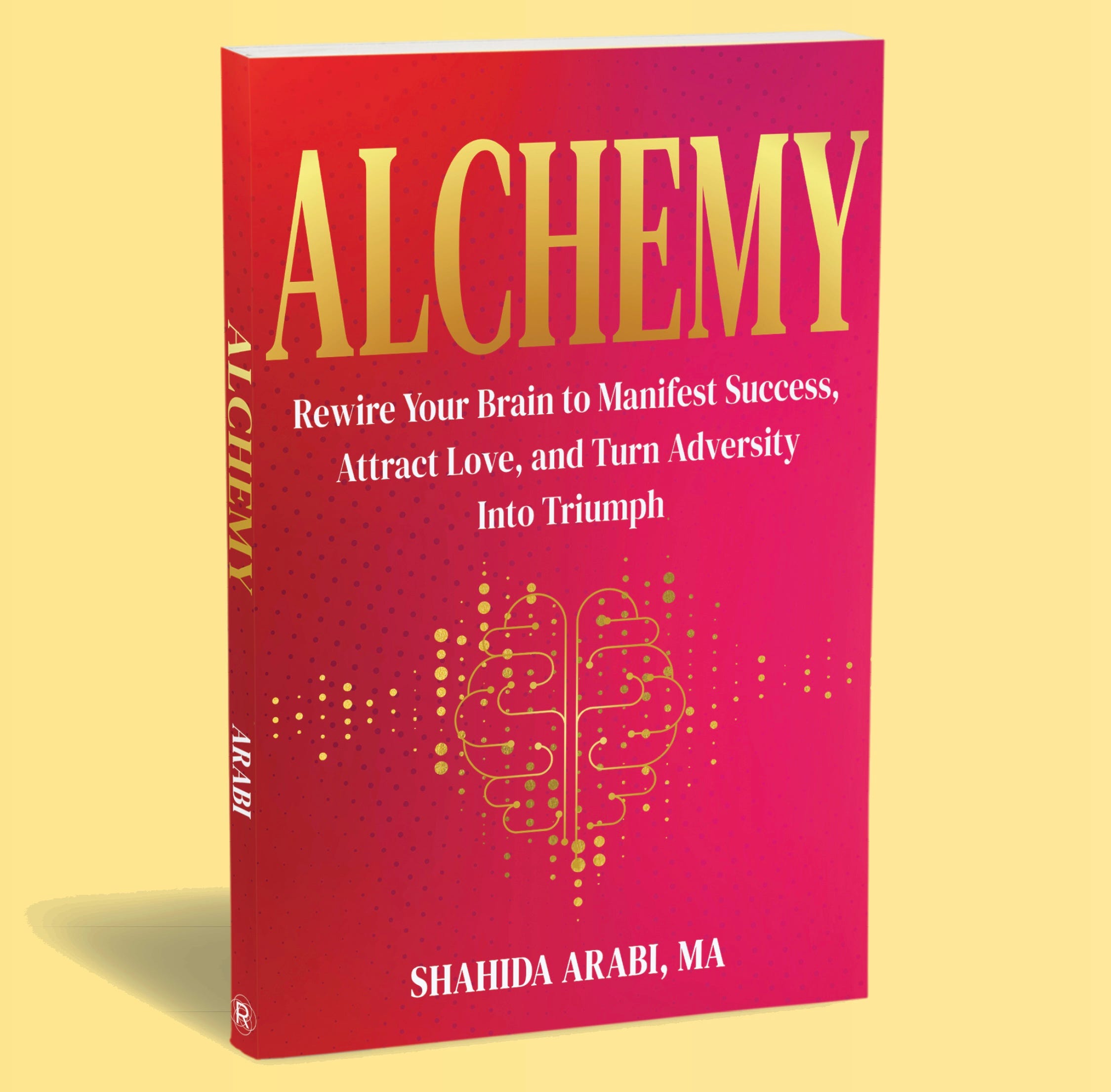
Want to alchemize your adversity into success and transmute your pain into power? Learn more in Alchemy, out in all major bookstores including your local Barnes & Noble in August and everywhere books are sold. Now released and available for order on Amazon, just in time for Christmas!